
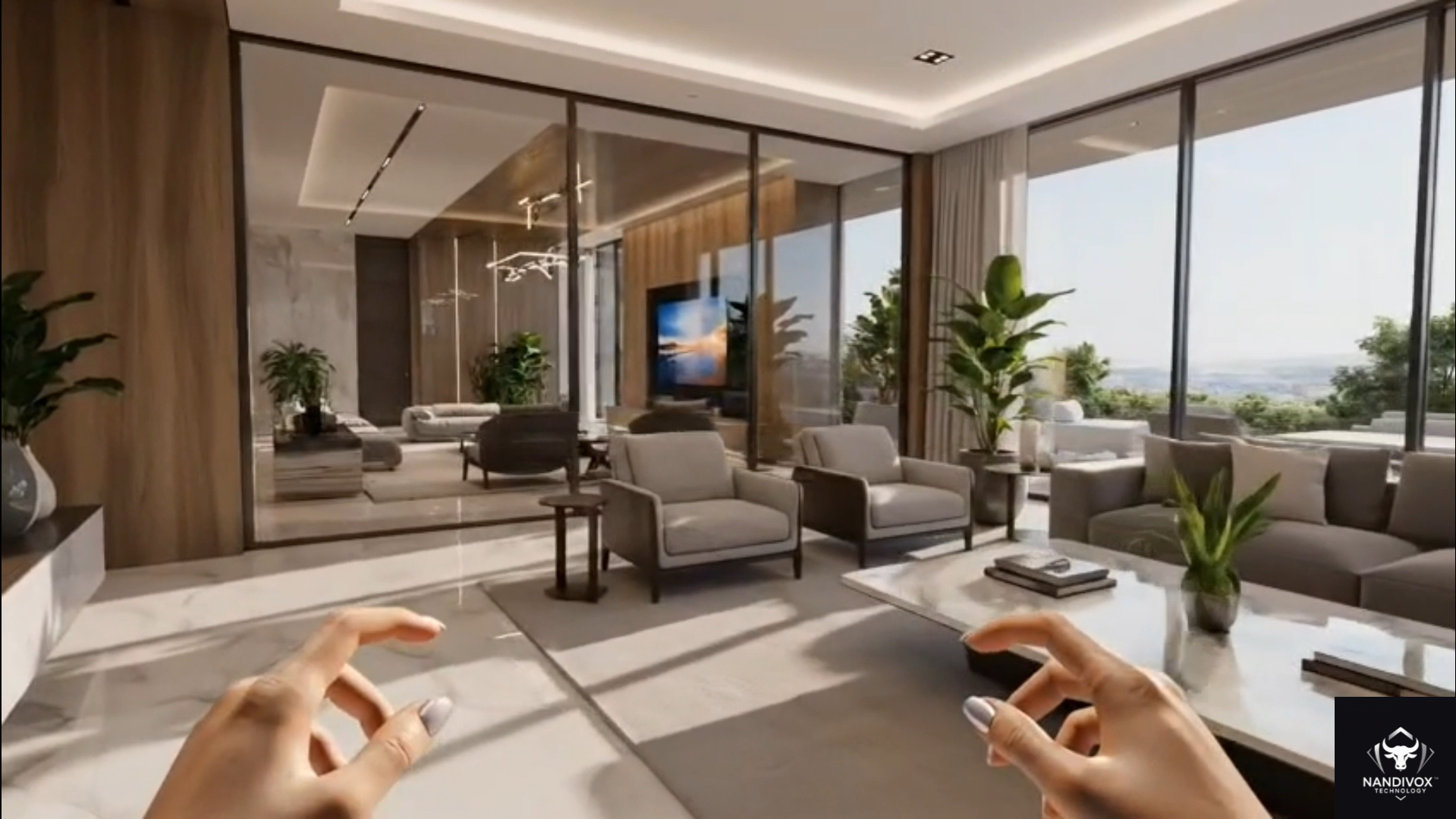
How Virtual Reality is Transforming Real Estate Property Sales
Introduction
The real estate industry has traditionally relied on physical visits and static photos to sell properties. However, modern buyers expect a more interactive and convenient experience. Virtual Reality (VR) technology is transforming how properties are marketed and sold.
What is VR Real Estate Visualization
VR real estate solutions allow buyers to walk through properties virtually using VR headsets, mobile devices, or web browsers. These immersive environments replicate real spaces with photorealistic lighting and interactive elements.
Benefits of VR for Real Estate
1. Remote Property Tours
Potential buyers can explore properties from anywhere in the world without traveling.
2. Better Customer Engagement
Interactive experiences increase user interest compared to static photos or videos.
3. Faster Sales Cycle
VR tours help buyers make decisions quicker because they understand the property layout clearly.
4. Cost Reduction
Developers can showcase unbuilt projects using 3D models instead of building physical sample flats.
Future of VR in Real Estate
As VR hardware becomes more affordable and powerful, virtual property tours will become a standard marketing tool for developers and real estate agencies worldwide.
Conclusion
Virtual Reality is not just a marketing tool—it is a transformative technology that improves buyer experience, accelerates property sales, and provides developers with innovative ways to showcase their projects.